Safeguarding Tradition Amid Disruption
For decades, the Tucson Historic Preservation Foundation had relied on in-person home tours to showcase local architectural gems. These tours not only drove ticket sales but also fostered community involvement and financial contributions from patrons, most of whom were 60 and older. When the pandemic hit in 2020, the foundation faced a serious hurdle: how to preserve this longstanding tradition without compromising safety? With their audience less familiar or comfortable with digital tools, a simple approach wouldn't suffice.
Virtual Access to History: A New Way to Explore
The foundation and I joined forces to pivot this experience into the digital space. Using Matterport's virtual tour technology, I integrated interactive 3D home tours directly into their WordPress site using advanced custom fields. Each tour featured carefully curated labels offering architectural insights, enriching the experience in ways that weren't possible during in-person tours.
To make this experience accessible, I designed a custom event-handling system using vanilla JavaScript. This system managed the virtual paywalls and guided users(regardless of tech-savviness)through the home tour journey. A series of clean, intuitive landing pages ensured that even the less tech-inclined audience could navigate the experience with ease.
At key points in the tour, I created opportunities for users to make donations, capitalizing on their immediate engagement. This not only recaptured some of the revenue lost from in-person ticket sales but also opened up new avenues for support despite the challenging circumstances.
Leading the Digital Transformation of Historic Tours
As the Contracted Head of Digital Experience, I spearheaded the design, development, and deployment of the virtual home tours. I collaborated closely with the Foundation's executive director and the Matterport facilitation team, making key decisions on how users accessed and interacted with the tour content. Every step, from page load performance to donation capabilities, was crafted with the end user in mind.
A New Chapter for Historic Home Tours
The virtual home tour sustained operations for the Tucson Historic Preservation Foundation during the lockdown. Not only did it allow the continuation of the annual home tours, but it also allowed them to secure 60% of their average donations from previous in-person events. The fall 2020 tour was so successful that the foundation opted to host their spring 2021 event virtually as well, further cementing this new format as a viable alternative. Beyond financial stability, the virtual tours increased engagement, with many users appreciating the flexibility to explore homes at their own pace and delve deeper into architectural details through interactive features.
Digital tools expand possibilities
Virtual platforms like Matterport open up a new world of possibilities for hosting experiential content, offering options for deeper engagement that go beyond what's possible in person.
Virtual experiences are complementary
While they don't replace in-person events, virtual tours provide unique opportunities for content delivery and increased accessibility for broader audiences.
Design for the least tech-savvy user
Building for a less digitally comfortable audience forced simpler, clearer interaction patterns that benefited everyone.
Adaptability drives success
In moments of crisis, rapid adaptation can yield impressive results. By pivoting to a virtual format, we ensured the foundation could continue its work and revenue stream through an unpredictable period.
Explore More Projects
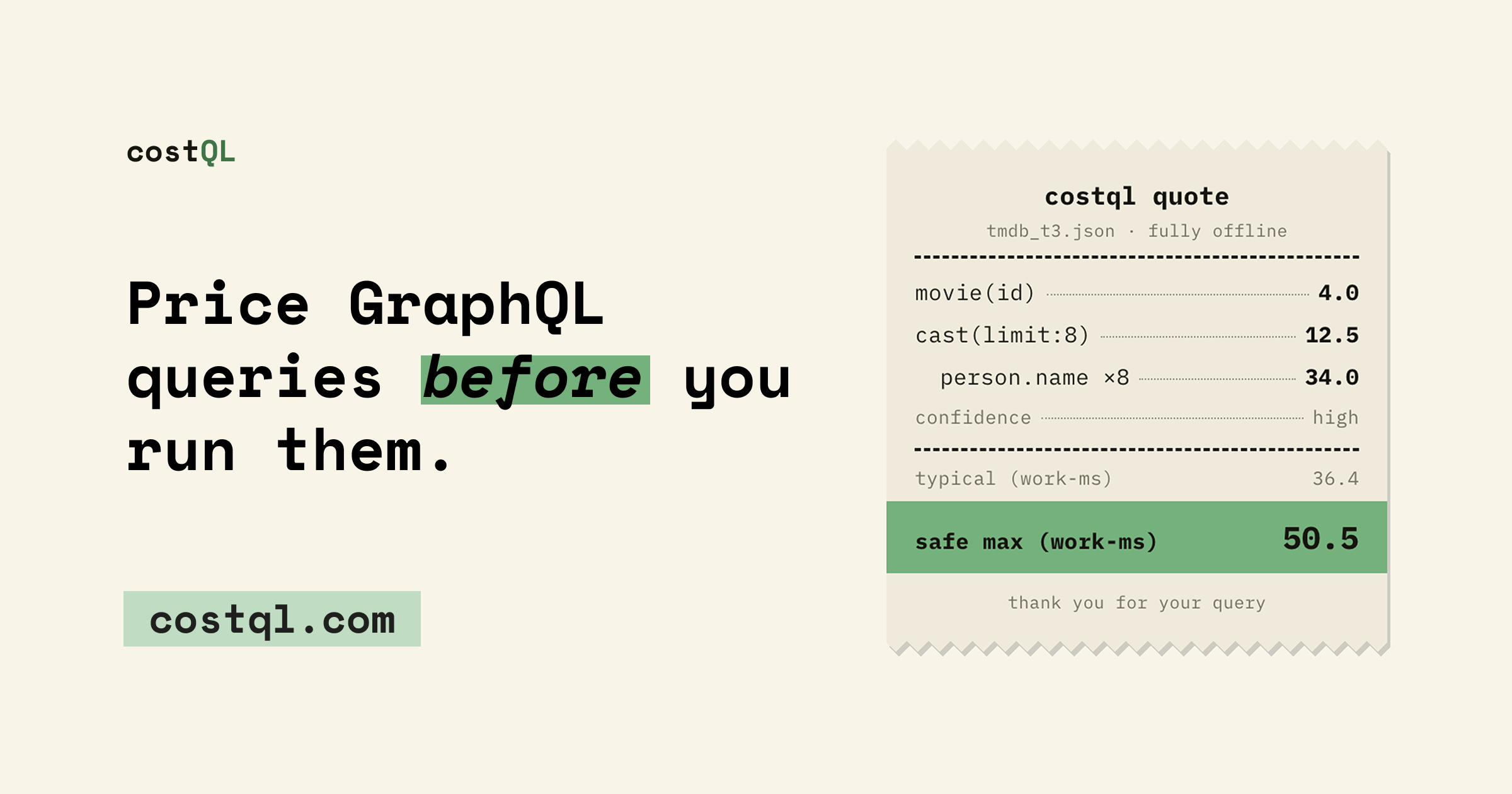
Priced Before It Runs
An offline pricing engine for GraphQL. Point it at your API once, then price any query before it runs. No server, no signup. Free and open source.
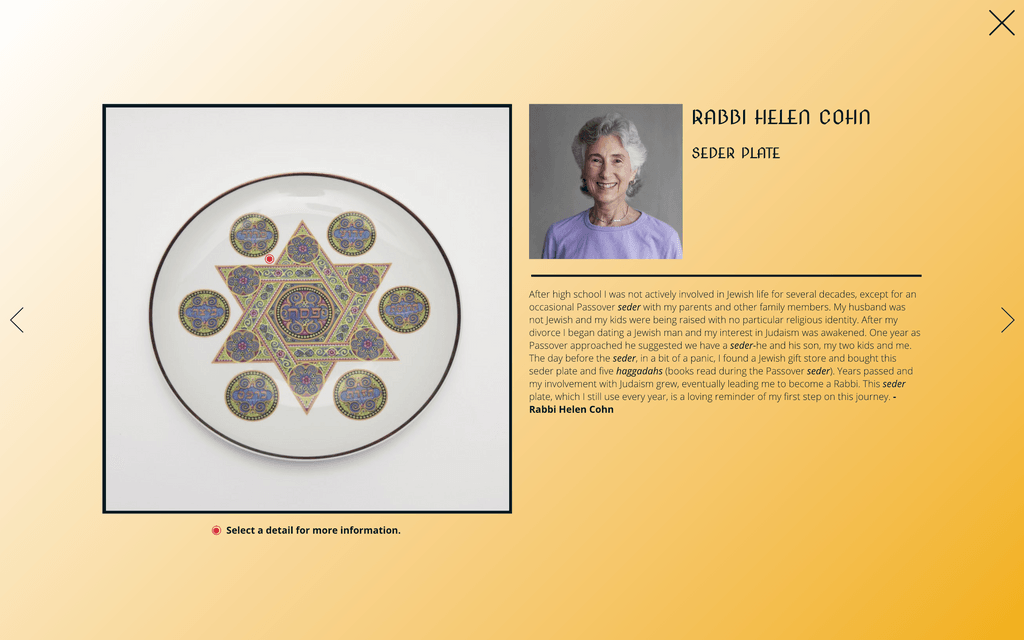
Cultural Memory Through Interface
An interactive touchscreen exhibit adapted for web, allowing remote audiences to explore historical artifacts during museum closures.
Productizing {Blockchain Data}
Pivoting to a service-first approach, this project focused on creating scalable APIs providing blockchain data, aligning with market demands and future growth.