Transitioning from Applications to Infrastructure as a Service (IaaS)
We faced a significant challenge: shifting an application-driven organization into a blockchain data infrastructure provider. This required an overhaul, not only in our technology stack but also in how we presented ourselves to customers. Researching competitors, understanding customer pain points, and defining our new identity were pivotal to success. We needed the transition to be smooth while keeping a sharp eye on performance, security, and scalability.
Building Product, Experience, and Identity in Parallel
The project required parallel workstreams across product, brand, and infrastructure:
GraphQL federation consolidated disparate services (Metadata, Media, Blocks, Transactions) into a single endpoint. After two years advocating for this architecture, federation was implemented to deliver on GraphQL's core promise: unified access to all blockchain data through one interface.
A QA system was built around data integrity, with automated checks for recency and completeness, plus alerting and reporting infrastructure. An internal bug bounty surfaced critical issues before customer impact.
The fulfillment system moved from AWS Marketplace exclusivity to Stripe-based self-service. The previous model required AWS accounts and forced navigation of AWS complexity. The new flow allows direct credit card signup with controlled UX, adapted from brand conventions into a product-focused interface.
Supporting infrastructure included Docusaurus documentation, customer research workshops to define target archetypes, AI-assisted competitive analysis for ongoing market monitoring, brand development with an agency partner, and API testing to verify performance and scalability.
Orchestrating Strategy and Team Alignment
As Director of Product, I orchestrated strategy across multiple workstreams over two years. I advocated for GraphQL federation despite technical resistance, arguing that separate endpoints defeated the technology's purpose. I managed this from the Brokerage System's three-endpoint architecture through final federated implementation.
I hired the company's first QA Architect, defining data integrity requirements and supporting vendor selection. For fulfillment, I led customer-facing design, translating brand conventions into product interface patterns that reduced adoption friction. I coordinated across Platform, QA, Frontend, Research, Marketing, and Customer Success while using AI tooling to scale documentation, competitive tracking, and internal knowledge bases beyond what a lean team could maintain manually.
Establishing a Strong Foundation for IaaS Growth
The API product launched with federated GraphQL architecture, self-service Stripe fulfillment, and QA infrastructure in place. The Stripe-based flow removed AWS Marketplace as a conversion barrier, allowing direct credit card signup with controlled UX. The federated schema positioned the API to deliver on GraphQL's core promise: single-endpoint access to all blockchain data services.
The QA system established automated integrity checks for data recency and completeness, with alerting and reporting infrastructure ready to scale as indexing issues resolve. Competitive research and internal knowledge bases continue to inform roadmap decisions and marketing positioning. The brand identity and product interface positioned the company to compete as a data infrastructure provider rather than an application builder.
Break it down into steps
Complex projects become manageable when divided into incremental, actionable phases.
Path of least resistance wins
Choosing the simplest approach enabled rapid hypothesis validation, saving time and resources.
Automate information gathering
Tracking competitors, market trends, and industry shifts manually doesn't scale for small teams.
Pivots require research and alignment
Successfully adapting to emerging markets depends on competitive research, cross-functional collaboration, and clarity of direction.
Fight for technical integrity
Advocating for proper GraphQL implementation over two years, despite resistance, ensured the product would deliver on its core promise rather than appearing foolish in the market.
Explore More Projects
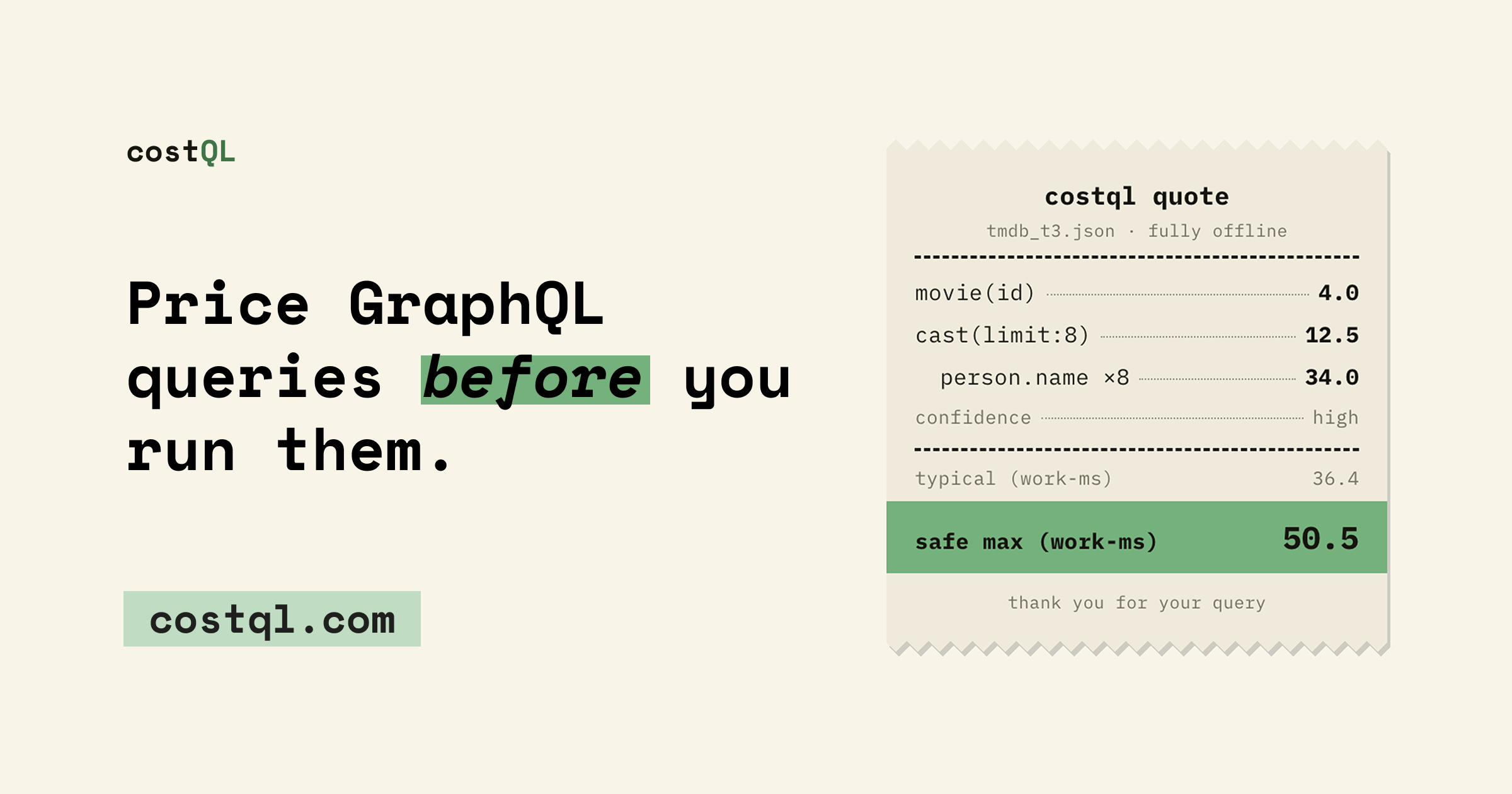
Priced Before It Runs
An offline pricing engine for GraphQL. Point it at your API once, then price any query before it runs. No server, no signup. Free and open source.

Removing Friction from Exchange
A decentralized exchange platform optimized for responsive NFT trading, with a focus on responsive design for crypto wallet users across all devices.
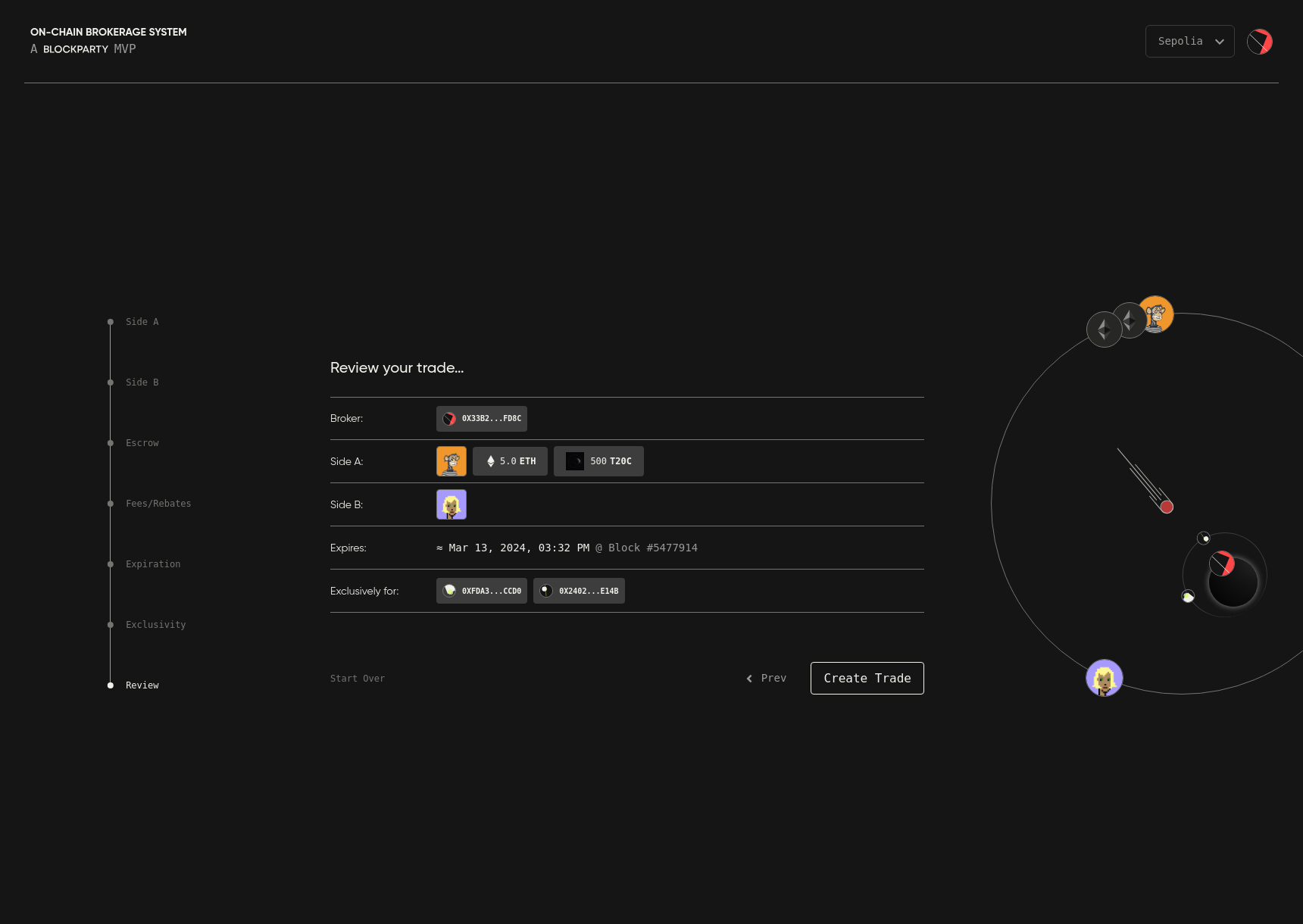
The Innovation of Brokering On-Chain
A new approach to NFT brokerage built from the ground up for transparency and fun.