Designing an Inclusive and Adaptive Digital Exhibit
The project posed several unique challenges. First, we needed to design an intuitive user experience that relied solely on touchscreen interactions. The exhibit had to appeal to a wide audience, from tech-savvy visitors to those less familiar with digital displays, creating a clear and engaging experience for everyone. Another critical challenge was balancing the presentation of the artifacts. With so many objects of historical importance, it was essential to give each one equal prominence without overwhelming the user with too much information at once.
Beyond user experience, we had to implement a kiosk mode that would lock the device into the exhibit, preventing accidental exits or unwanted interactions with the underlying system. When the pandemic arrived, our most pressing challenge was adapting this hands-on, in-person exhibit into a web-based version that retained the same level of engagement and interactivity for remote visitors.
Crafting a Seamless and Adaptive Exhibit Experience
To meet these challenges, I designed a custom interactive display using HTML, CSS, and JavaScript, with WordPress CMS to manage the exhibit's content. The core of the design was an irregular CSS grid layout that used JavaScript to randomize the prominence of each artifact on a timed cycle. This dynamic approach allowed all artifacts to receive equal focus over time, preventing any single object from dominated the screen. This approach kept visitors engaged and gave every artifact a moment in the spotlight, preserving the integrity of the exhibit's historical storytelling.
For kiosk mode, I leveraged a free Chrome browser extension to restrict user interactions to the exhibit alone. This created a focused, distraction-free experience that maintained focus on the artifacts. When the COVID-19 lockdown forced the museum to close, I adapted the entire exhibit to a web-based format, using the same structure and design. The flexibility of the WordPress CMS made this transition smooth, allowing the museum to continue engaging with the public through a fully functional online version of the exhibit.
Enhancing Engagement and Ensuring Accessibility
The exhibit's rotating design kept visitor engagement high. Artifacts cycled through prominence positions, giving each object attention while maintaining visual interest. Visitors explored at their own pace with the historical significance of each piece preserved.
When the pandemic closed the museum, the web adaptation maintained public connection. The online version preserved the dynamic randomization and interactive patterns from the in-person exhibit. The flexible architecture, built on WordPress and browser-based tools, allowed this rapid transition without additional costs.
Dynamic Content Rotation
JavaScript's use to randomize artifact prominence created a dynamic, ever-changing experience that kept users engaged and ensured all objects received equal attention.
Seamless Web Transition
The exhibit's structure, built on WordPress CMS, made it easy to adapt the interactive display into a web-based format when in-person attendance became impossible, maintaining engagement with the museum's audience during the pandemic.
Cost-Effective Kiosk Mode
Implementing a free Chrome extension to create a kiosk environment saved on additional software costs while providing a professional and streamlined user experience.
Adaptable Design
Flexibility in design and technology is essential for responding to unforeseen challenges like the pandemic, allowing the project to pivot and remain successful even under changing circumstances.
Explore More Projects
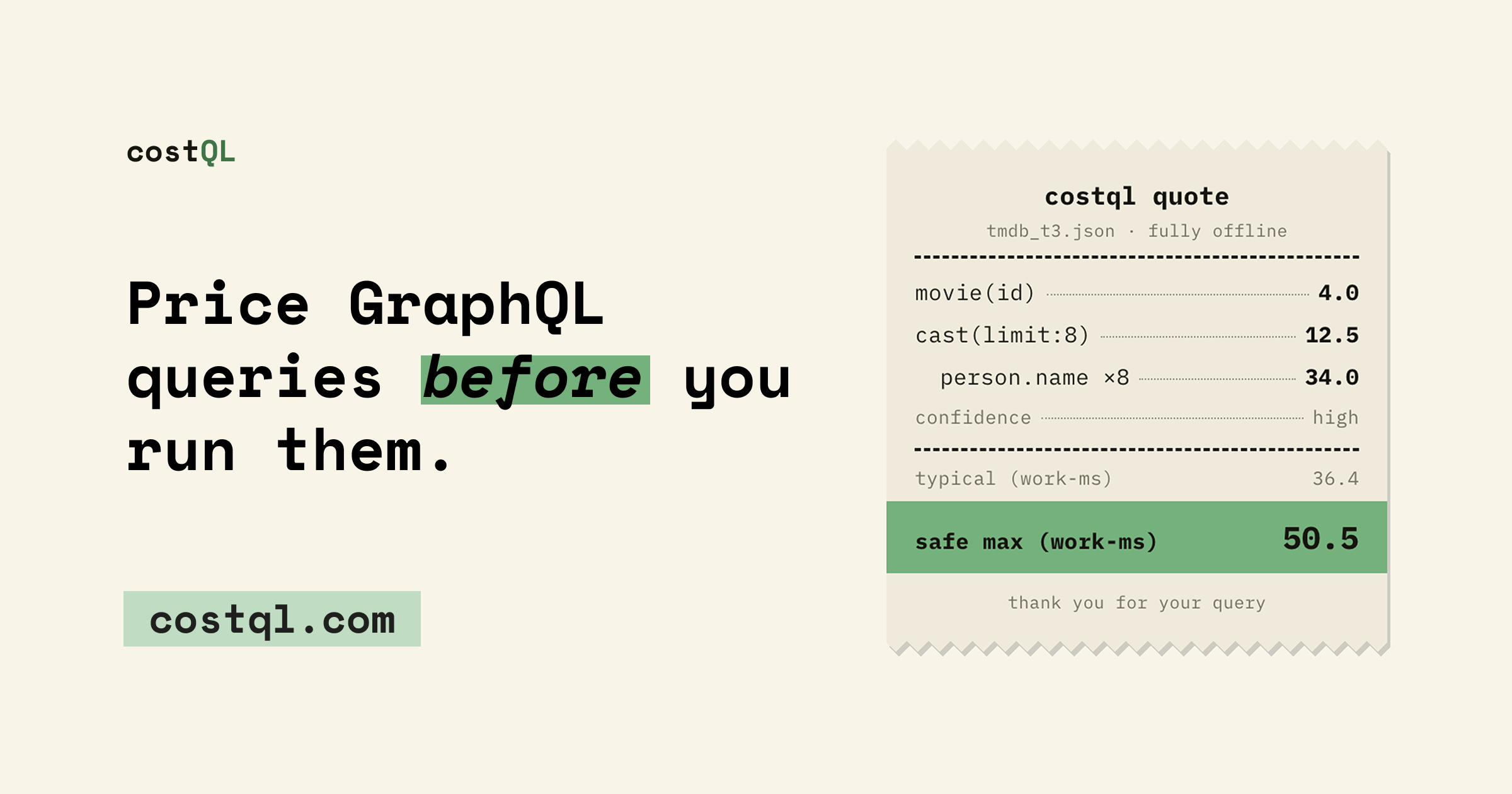
Priced Before It Runs
An offline pricing engine for GraphQL. Point it at your API once, then price any query before it runs. No server, no signup. Free and open source.
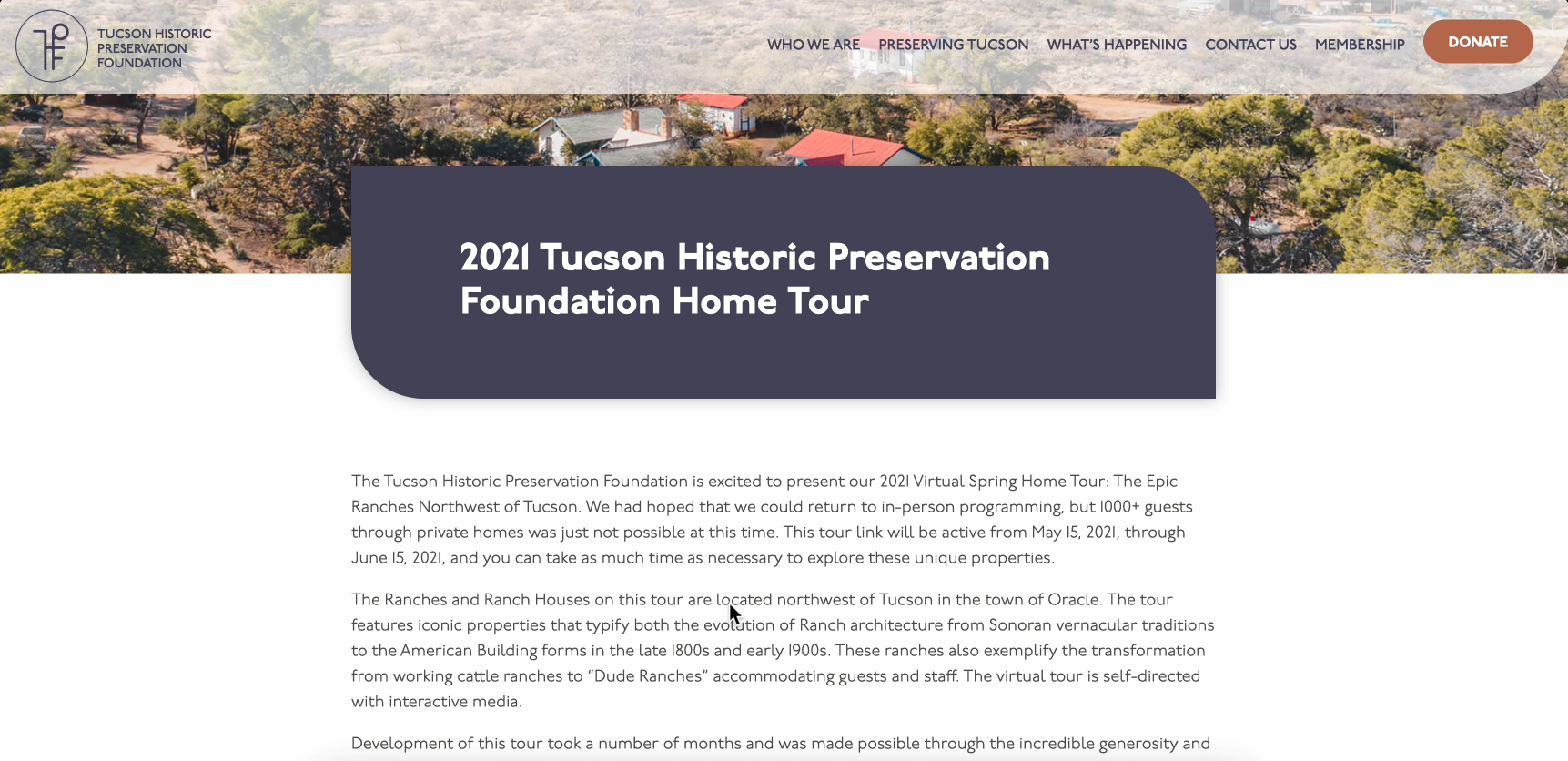
Space Translated, Tradition Preserved
A virtual tour system that preserved a historic foundation's annual tradition and revenue stream during COVID-19 lockdowns.

Removing Friction from Exchange
A decentralized exchange platform optimized for responsive NFT trading, with a focus on responsive design for crypto wallet users across all devices.