Building a Brokerage System for NFTs
Creating a brokerage system for NFTs presented a unique set of challenges. The team needed to verify the viability of brokerage as a use case in this domain while addressing the complex configurations of brokered trades(bundles, expirations, escrows, and fees wrapped into one trade unit). Designing a UI that communicated this complexity intuitively was another major hurdle. Additionally, the MVP release needed to capture essential feedback to inform future iterations while balancing time constraints.
An Intuitive, Delightful Path to Trade Creation and Interpretation
To tackle the complexity head-on, we took inspiration from a DEX we had previously developed (NFT.org DEX), adopting its foundational structures while testing new UI experiments. The core approach: A step-by-step trade creation process, simplifying decision-making for brokers. For the visual representation of trades, we envisioned a solar system UI(a dynamic interface where the trade ID was the "sun," brokers appeared as "moons," and assets and settings orbited like planets and asteroids). This made demystify the intricate mechanics behind each trade.
Though this solar system UI was only partially integrated into the MVP, it was a bold experiment that created an intuitive user experience during trade creation. Meanwhile, we used Hotjar to gather deep insights through heatmaps, screen recordings, and milestone-triggered surveys, allowing us to prioritize immediate fixes and plan for future improvements.
Leading Design, Development, and Manual Testing
I led the design and development of the entire project, from UI conceptualization to deployment. Managing a cross-functional team, I ensured effective collaboration between the frontend, backend, and smart contract developers. I oversaw the UI design, bringing the solar system concept to life, and coordinated with the client success team to streamline feedback collection from testers. In addition, I spearheaded multiple testing sessions, debugging and refining the app's performance and user experience.
Setting New Standards in NFT Brokerage
The MVP supported several high-value trades but also saw the largest trade on the Ethereum chain on its launch day. Test brokers, the CEO, and potential investors took note, sparking conversations about the future potential of NFT brokerage systems. The feedback collected allowed us to shape a solid improvement roadmap for future releases. The On-Chain Brokerage System remains a testament to what can be built atop our blockchain infrastructure, combining smart contract SDKs, APIs, and thoughtful UI design.
Experimentation reveals possibilities
Pushing the boundaries of UI and UX led to intuitive user interactions.
Simplicity triumphs
Despite Web3's inherent complexity, we found that clarity in the UI could make intricate systems accessible to all users.
NFT brokerage is viable
High-value trades demonstrated the potential for a new market in Web3.
The possibilities are endless
Web3 continues to offer fertile ground for creating immersive, impactful user experiences.
Explore More Projects
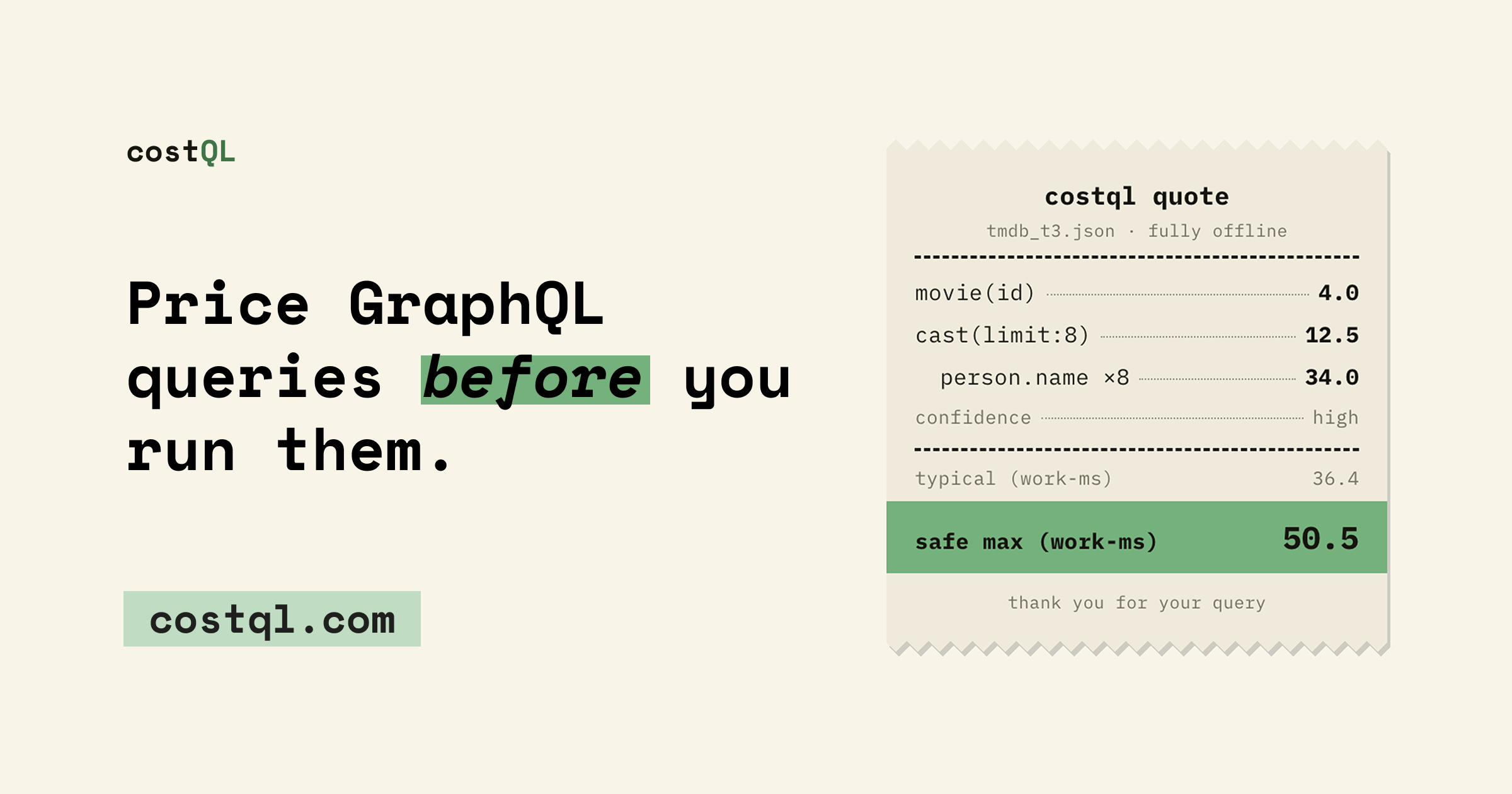
Priced Before It Runs
An offline pricing engine for GraphQL. Point it at your API once, then price any query before it runs. No server, no signup. Free and open source.

Removing Friction from Exchange
A decentralized exchange platform optimized for responsive NFT trading, with a focus on responsive design for crypto wallet users across all devices.
Productizing {Blockchain Data}
Pivoting to a service-first approach, this project focused on creating scalable APIs providing blockchain data, aligning with market demands and future growth.