Blockchain developers face a steep learning curve when querying on-chain data. GraphQL syntax, schema navigation, and API documentation create friction between intent and execution. Most tools assume you already know what you're looking for and how to ask for it. For exploratory work or cross-chain analysis, that assumption breaks down fast.
CoQuery bridges the gap with two complementary mechanisms. First, a natural language interface that accepts plain English prompts and generates executable GraphQL queries. Developers describe what they want; the system translates intent into syntax. Second, a curated insight feed that surfaces emerging trends by combining real-time on-chain activity with off-chain signals like GitHub commits and token metadata. Each insight arrives with a pre-built query, ready to explore or adapt.
Proactive systems demand better feedback mechanisms than assistants do
Thumbs up and thumbs down don't capture what makes an insight relevant or a query useful. Designing around more nuanced signals became central to understanding product fit.
Context-aware tooling changes the interaction model
When the system anticipates need rather than waiting for a question, the interface stops feeling like a conversation and starts feeling like collaboration. That shift requires rethinking how developers encounter and engage with the tool.
Insight relevance depends on external signal quality
GitHub activity, transaction volume, and metadata all contribute to ranking heuristics, but noisy data degrades trust fast. Validating signal sources became as important as the ranking logic itself.
Explore More Projects
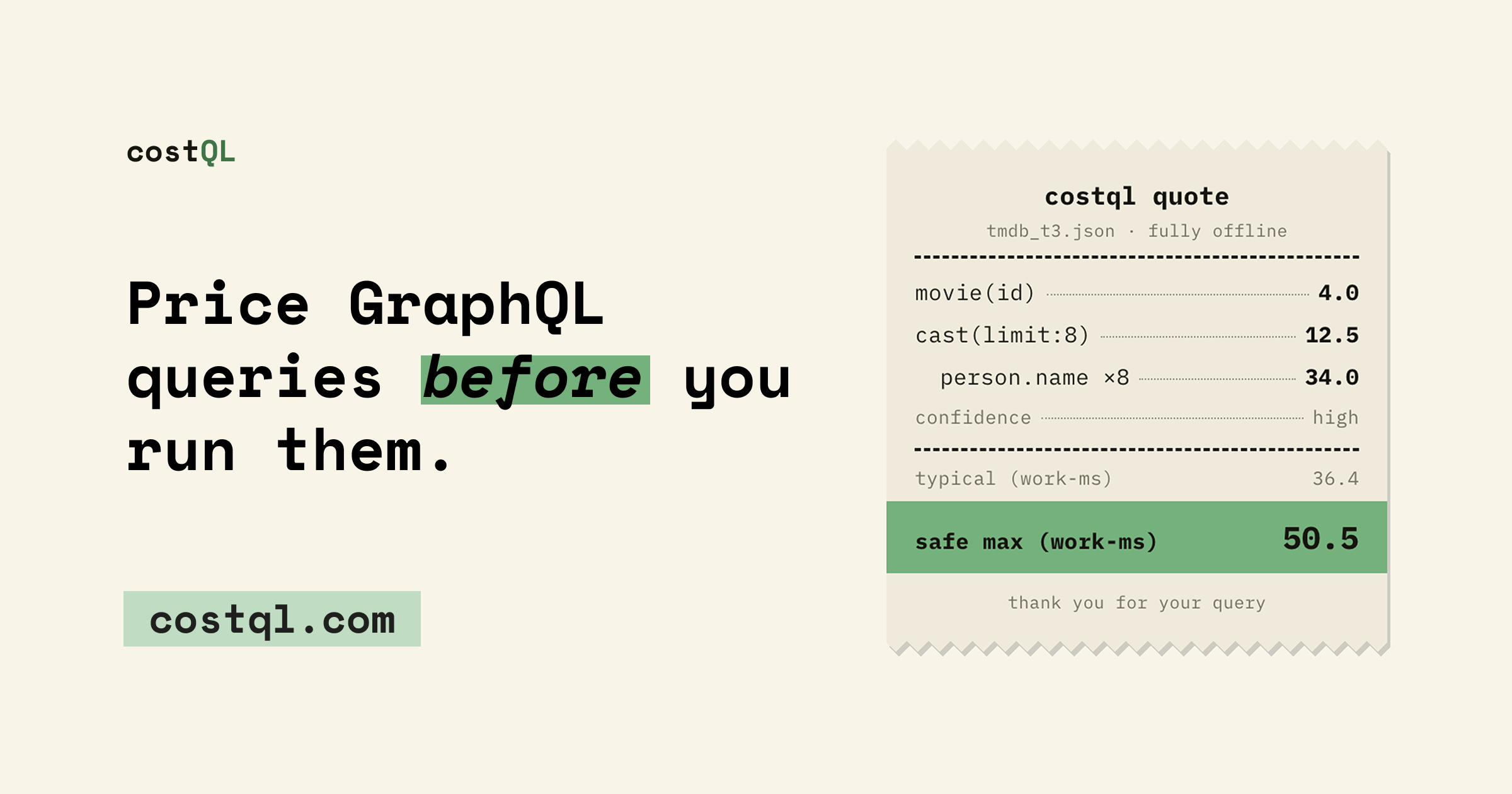
Priced Before It Runs
An offline pricing engine for GraphQL. Point it at your API once, then price any query before it runs. No server, no signup. Free and open source.
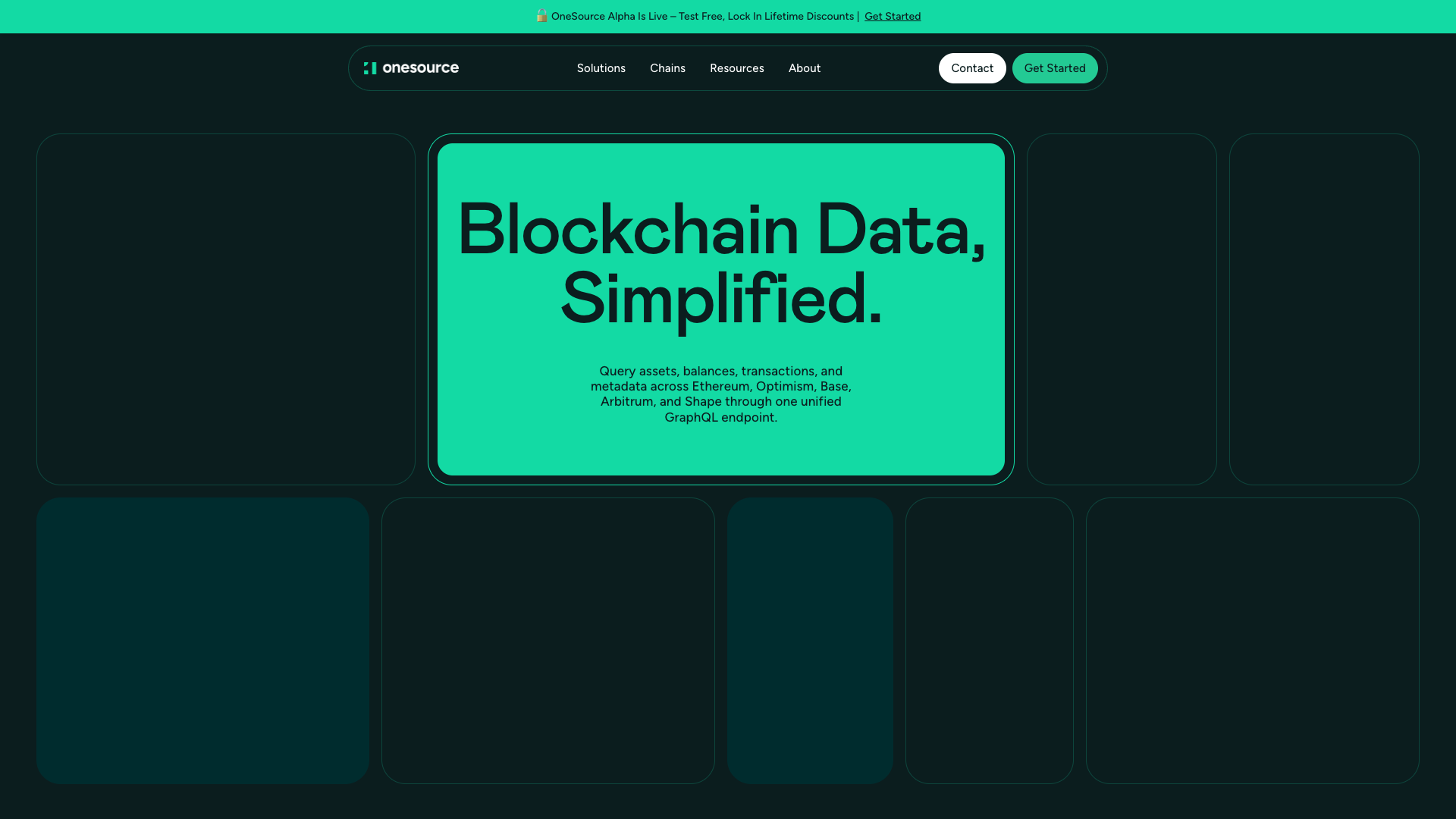
Productizing {Blockchain Data}
Pivoting to a service-first approach, this project focused on creating scalable APIs providing blockchain data, aligning with market demands and future growth.
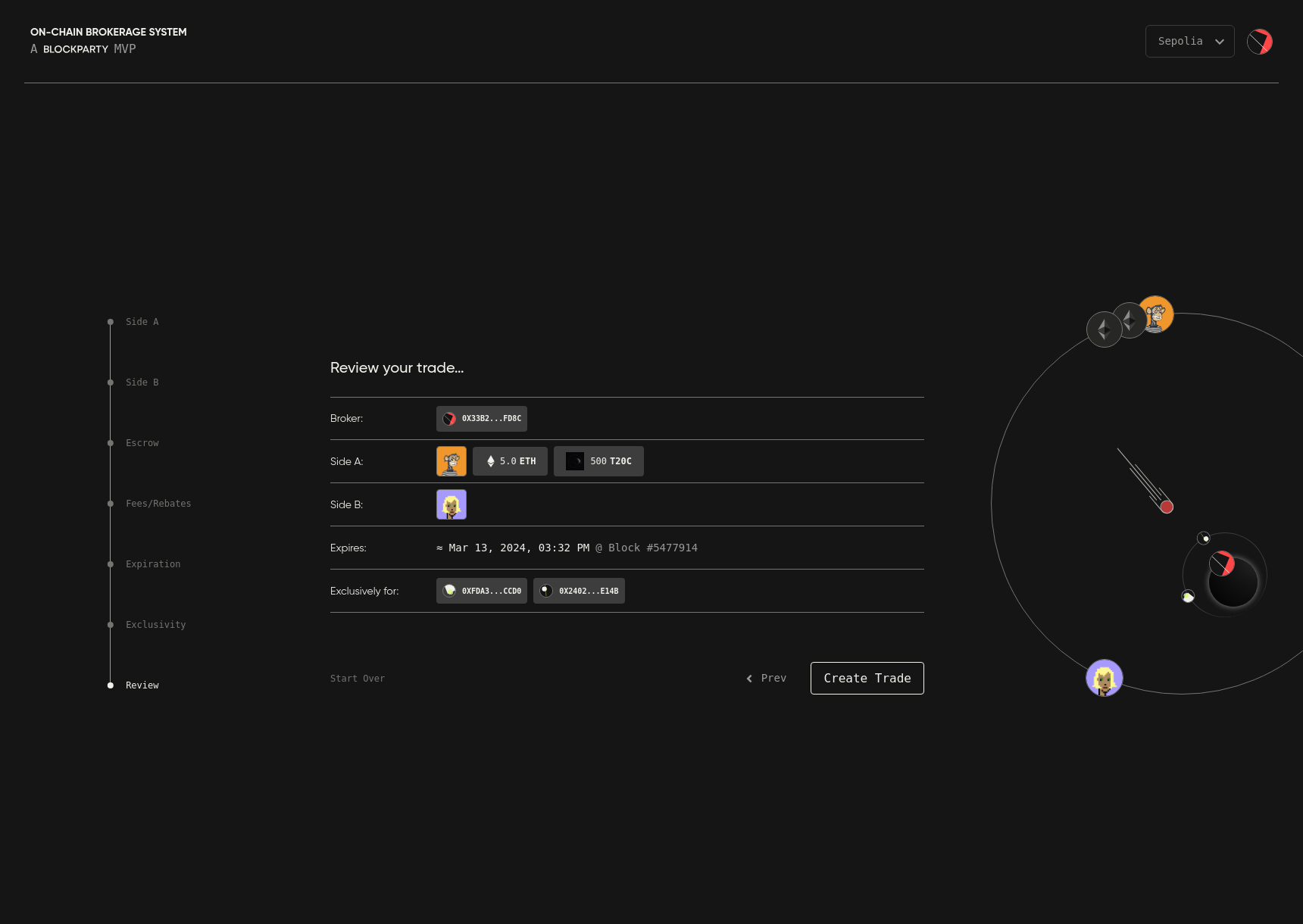
The Innovation of Brokering On-Chain
A new approach to NFT brokerage built from the ground up for transparency and fun.